Why Trauma Informed Healing Is Becoming the Gold Standard of Wellness in 2026
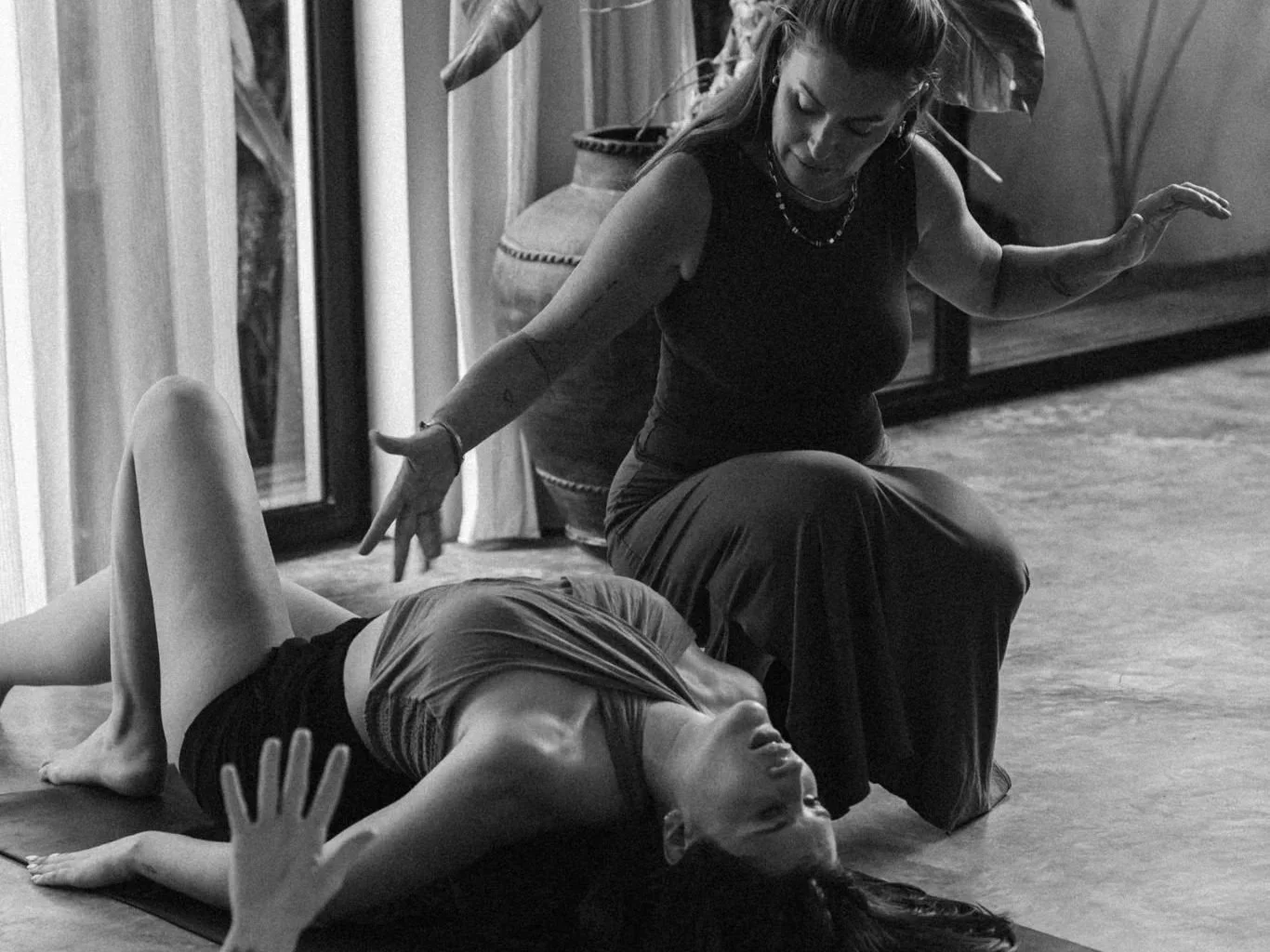
There is a noticeable recalibration happening in wellness. Not a reinvention, but a correction. In 2026, trauma informed healing is no longer a specialist offering. It is becoming the foundation that people expect when they step into a healing space—especially in a trauma retreat setting where care and pacing are prioritized.
This shift has emerged quietly, shaped by lived experience rather than trends. People have tried enough methods to know when something feels supportive and when it feels too much. They are choosing environments that understand the body, respect pacing, and recognise that healing does not respond well to pressure.
Trauma informed healing is not a style. It is a framework that understands how the nervous system responds to safety, threat, rest and connection. And it is reshaping wellness from the inside out.
A collective understanding of safety
In 2026, safety is no longer assumed. It is actively created.
People are arriving in wellness spaces carrying more than stress. They are carrying cumulative experiences of loss, relational rupture, health challenges and prolonged uncertainty. The body adapts to survive these experiences, often holding tension, vigilance or shutdown long after the original event has passed.
A trauma retreat begins by acknowledging this reality. It does not ask the body to open before it feels ready. It creates conditions where safety can be felt rather than explained.
At JAX, safety is established through consistency, clarity and pacing. When the nervous system recognises safety, it naturally begins to soften. Healing follows this sequence, not the other way around.
The nervous system as the central lens
One of the defining features of trauma retreat settings is the central focus on nervous system healing. In 2026, this understanding has become foundational in how wellness is delivered.
The nervous system governs how we respond to stress, connection, rest and stimulation. When it is overwhelmed, even well intentioned practices can feel destabilising. When it is supported, the body knows how to regulate itself.
This is why trauma informed spaces prioritise regulation over intensity. Practices are designed to meet people where they are, not where they think they should be.
At JAX, every offering is shaped by nervous system awareness. From breath and movement to energy work and rest, the body is guided back toward balance through attunement rather than effort.
Somatic work as a bridge to healing
Trauma-informed healing places the body at the centre of the process. Not as something to be fixed, but as something to be listened to.
Somatic work allows the body to express and release stored responses through sensation, movement and awareness. It bypasses the need to relive stories and instead supports the nervous system to complete what was once interrupted.
In 2026, this approach resonates because it feels respectful. People are tired of being asked to push through discomfort. They are seeking methods that honour their limits.
At JAX, somatic healing is integrated throughout the work. It creates a bridge between awareness and embodiment, allowing change to unfold gradually and sustainably.
Energy work held with care and responsibility
Energy healing has also evolved under the trauma informed lens. In 2026, there is greater discernment around how energy work is offered and received.
Trauma retreat facilitators recognize that the nervous system determines capacity. The goal is not to evoke a response, but to support regulation while energy moves naturally.
This requires skill, presence and restraint. It asks facilitators to listen deeply rather than lead forcefully.
At JAX, energy transmission is held within a container of nervous system support. Breath, rest and grounding are not secondary. They are essential. This allows the body to integrate the work rather than brace against it.
Smaller spaces allow deeper care
Another reason trauma informed healing is becoming the standard is scale. In 2026, people are choosing smaller, more intentional spaces where they can be seen and supported.
Trauma informed care relies on attunement. Facilitators need to track subtle cues in the body, energy and emotional state. This is only possible when space allows for presence.
Application based retreats and limited group sizes reflect this shift. They create clarity and alignment before the work begins.
At JAX, intimacy is intentional. Smaller groups allow for steadiness, relational safety and genuine support throughout the process.
Rest as a necessary ingredient
Rest is no longer positioned as optional. Trauma informed healing recognises rest as a biological requirement.
The nervous system integrates through rest. Emotional processing completes in stillness. Without it, the body remains alert and guarded.
In 2026, wellness spaces are slowing down. There is less stimulation and more spaciousness. This reflects a deeper understanding of how healing actually occurs.
At JAX, rest is woven into the rhythm of retreats and sessions. It is part of the medicine, not a pause from it.
A shift in leadership and facilitation
Trauma informed healing has also changed how leadership is perceived. Authority now comes from embodiment rather than instruction.
People are drawn to facilitators who are grounded, regulated and present. Those who understand the work through lived experience and ongoing self inquiry.
At JAX, facilitators are trained to hold space with humility and care. Healing is not directed. It is supported. The body leads when the environment is right.
Why this matters now
The rise of trauma informed healing reflects a broader cultural maturity. People are no longer willing to bypass their nervous systems in the pursuit of wellness. They want to feel steady, connected and resourced in their everyday lives.
This approach does not promise quick answers. It offers something more valuable. A way of relating to the body that is compassionate, informed, and sustainable—a path many are embracing to start fresh this 2026.
This is why trauma informed healing is becoming the gold standard in 2026. It works with the body rather than against it. It respects the pace of healing. And it meets people where they are.
If this resonates, you may be ready to experience this work within a space designed for nervous system safety and embodied healing. A Bali healing retreat may offer the immersive reset you’ve been seeking.
Apply for one of our deeply held, trauma-informed healing retreats in Bali.
Join us online to begin your emotional growth journey no passport required.
Come to a JAX Day Retreat for a powerful immersion into trauma-informed healing.
Join us for a two-hour in-person JAX class and experience the method firsthand.
Learn more about facilitator training: https://www.jaxhealingretreat.com/kundalinitraining