Wellness Trends to Watch in 2026: What Is Shaping the Future of Healing
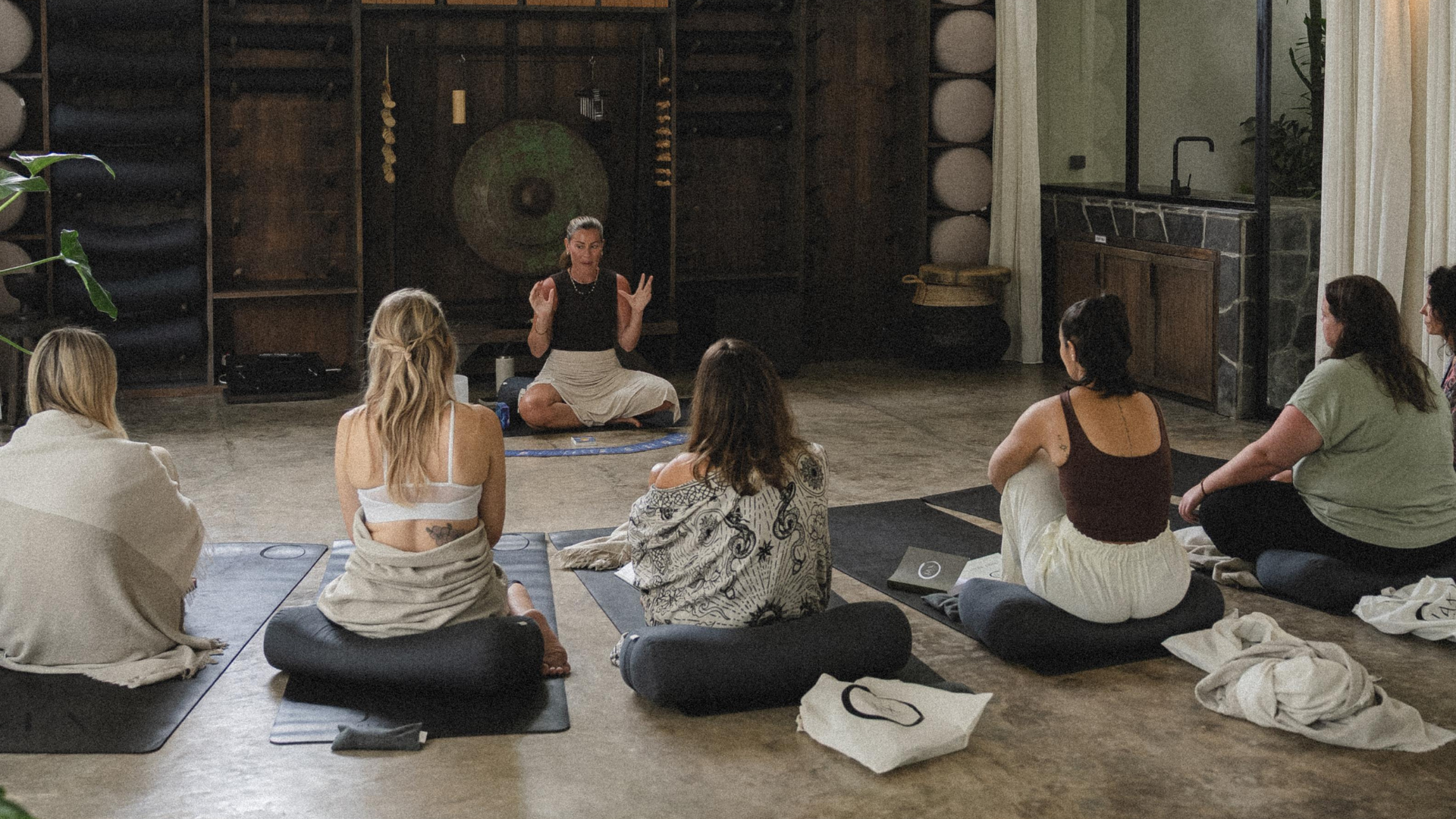
The wellness industry in 2026 feels noticeably different. Quieter. More considered. Less interested in spectacle and far more concerned with what actually supports the human nervous system.
After years of expansion, optimisation and self-improvement culture, something has softened. People are asking better questions. Not how to do more healing, but how to feel safer in their own bodies. Not how to reach the next level, but how to live with more steadiness, capacity and ease.
This shift is not accidental. It is a response to collective fatigue, prolonged stress, grief, and a growing awareness that the body cannot be pushed into wellbeing. It must be supported in it.
At JAX, this direction has been present from the beginning. The wellness trends 2026 now reflect what trauma-informed wellness practitioners have long understood.
Nervous system literacy moves into the foreground
In 2026, the language of the nervous system is no longer confined to clinical settings. It has entered everyday wellness conversations.
People are learning to recognise when they are in survival, when they are shut down, and when they feel regulated enough to engage with life. Anxiety, chronic tension, emotional reactivity and exhaustion are increasingly understood as physiological responses rather than character flaws.
This literacy changes everything. When people understand how their nervous system responds to stress and safety, healing becomes less abstract and more tangible. The body stops feeling unpredictable. There is relief in naming what is happening.
This understanding sits at the core of the JAX approach. Healing begins with education that restores trust between the person and their body.
Somatic healing becomes a foundation, not a niche
The rise of somatic healing is one of the clearest indicators of where wellness is heading. In 2026 it is no longer positioned as an alternative approach. It is recognised as necessary.
Many people have spoken through their experiences for years. The body holds what words cannot reach. Especially in trauma, grief and prolonged stress, the nervous system remembers what the mind may not fully articulate.
Somatic healing works with sensation, breath, movement and internal awareness. It allows the body to complete responses that were interrupted by fear, overwhelm or survival.
This is why somatic work is now central to modern healing spaces. At JAX, the body is not something to override or interpret. It is the guide.
Energy work becomes slower, steadier and trauma aware
Energy healing continues to evolve as part of the wellness trends 2026, shaped by a deeper understanding of regulation and capacity.
There is a clear move away from fast, intense experiences toward work that honours pacing and embodiment. People want to feel settled in themselves, not destabilised.
Trauma informed energy work recognises that the nervous system determines how much can be received. Energy moves when safety is present. The body opens when it is ready.
At JAX, energy transmission is never separated from nervous system support. Breath, rest and somatic awareness are woven together so the system can remain grounded while deeper layers release.
Integration becomes the measure of healing
One of the most significant wellness trends in 2026 is how people evaluate their healing. It is no longer measured by what happens in a session, but by how life feels afterward.
Can I respond rather than react.
Do I recover more easily from stress.
Is my body less tense.
Do I feel more present in my relationships.
Integration has become the quiet standard by which wellness spaces are assessed. Healing that does not land in daily life no longer feels sufficient.
At JAX, integration is not an afterthought. It is built into the rhythm of retreats and ongoing work, allowing the nervous system time to settle and reorganise.
Retreats become smaller and more deliberate
As the depth of healing work increases, the scale of retreats is decreasing. In 2026, smaller groups are becoming the norm for those seeking meaningful nervous system support.
Trauma-informed wellness requires attunement. It requires facilitators who can track the room, respond to subtle shifts, and adjust pacing in real time.
Application based retreats are becoming more common because they allow alignment and clarity before people arrive. At JAX, smaller groups ensure that each person is held within a field of safety rather than lost in volume.
Rest is reframed as a biological requirement
Rest is undergoing a redefinition. In 2026 it is understood less as absence and more as function.
The nervous system repairs itself through rest. Emotional processing completes through rest. Without it, the body remains in a loop of activation.
Wellness spaces are responding by creating slower schedules, fewer inputs and more spaciousness. At JAX, rest is woven into the structure rather than added on. Healing happens in the spaces between.
Embodiment becomes the marker of leadership
Another standout theme in wellness trends 2026 is who people trust. Authority in wellness now comes from embodiment rather than performance.
People are drawn to facilitators who are regulated, grounded and relationally safe. Those who understand the work not only through training, but through lived experience.
At JAX, facilitators are trained to hold space with humility and presence. The work is not about directing outcomes. It is about creating conditions where the body can do what it already knows how to do.
The future of wellness feels human again
Perhaps the most defining quality of wellness trends this 2026 is their humanity. Less polished. More honest. More attuned to real nervous systems living real lives.
People are no longer trying to transcend their pain. They are learning how to live with themselves more fully. Trauma informed healing offers this path by respecting the body, honouring pace, and trusting that healing unfolds when safety is present.
This is the future JAX continues to build toward. Not trends for attention, but practices rooted in how healing actually happens.
If this resonates, you may be ready to experience this work in a space designed for grounded, trauma-informed healing. Apply for one of our deeply held retreats. A Bali healing retreat may be your first step toward embodied transformation.
Apply for one of our deeply held, trauma-informed healing retreats in Bali.
Join us online to begin your emotional growth journey, no passport required.
Come to a JAX Day Retreat for a powerful immersion into trauma-informed healing.
Join us for a two-hour in-person JAX class and experience the method firsthand.
Learn more about JAX Kundalini facilitator training.