Healing After Loss
There are some losses that completely alter the shape of a human life.
The loss of a partner. A child. A sibling. A parent. A best friend.
A suicide loss that leaves unanswered questions, shock waves through the nervous system, and a kind of grief that can feel impossible to explain to people around you.
At JAX Healing Retreats we hold specialised five-day grief and suicide loss retreats for those carrying deep emotional pain, traumatic grief, survivor's guilt, anxiety, numbness, emotional overwhelm, and the exhaustion that often comes from trying to keep functioning whilst internally falling apart.
These retreats bring together people who understand this kind of loss firsthand.
People who have walked similar paths. People who know what it feels like to lose safety, identity, certainty, and parts of themselves through grief.
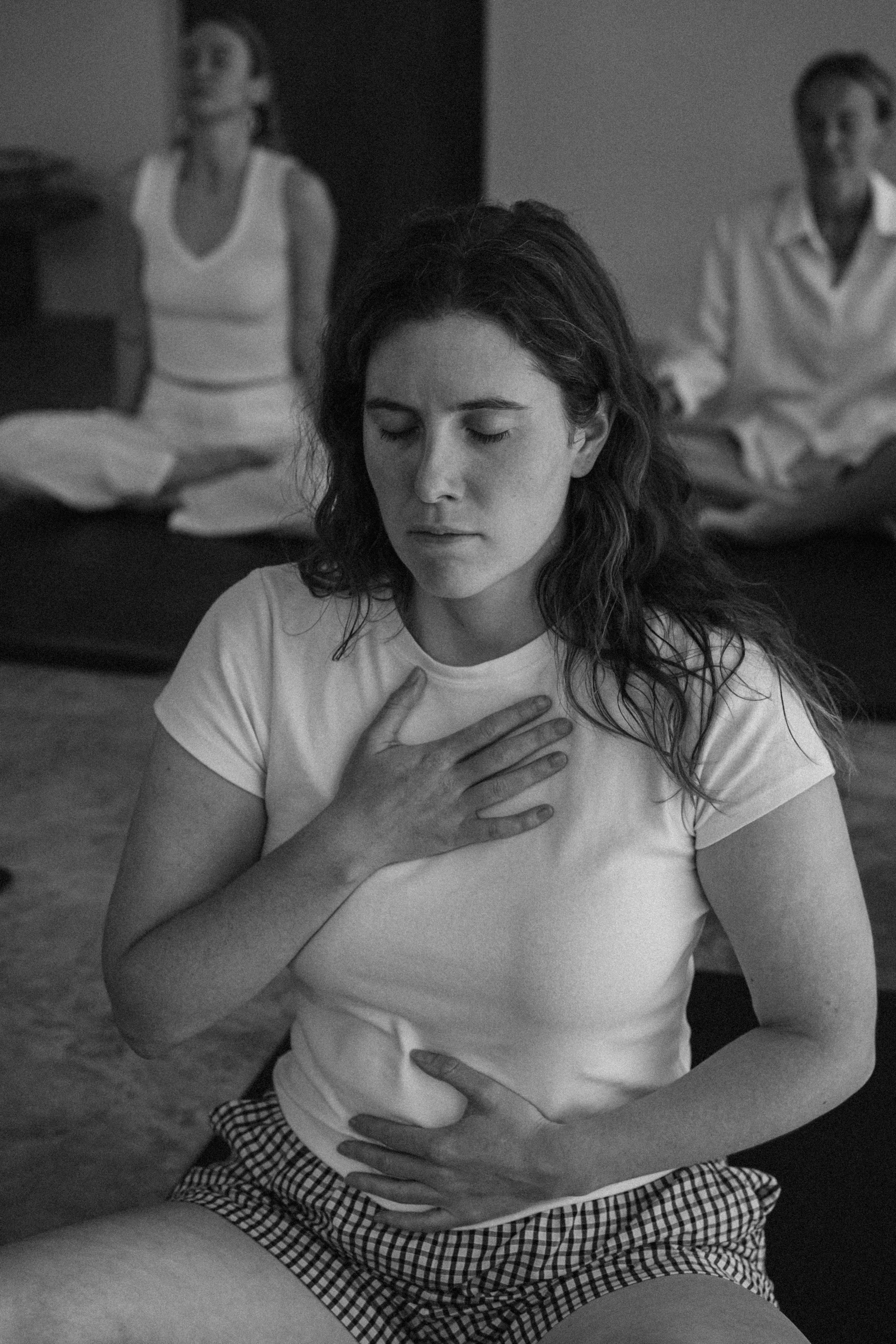
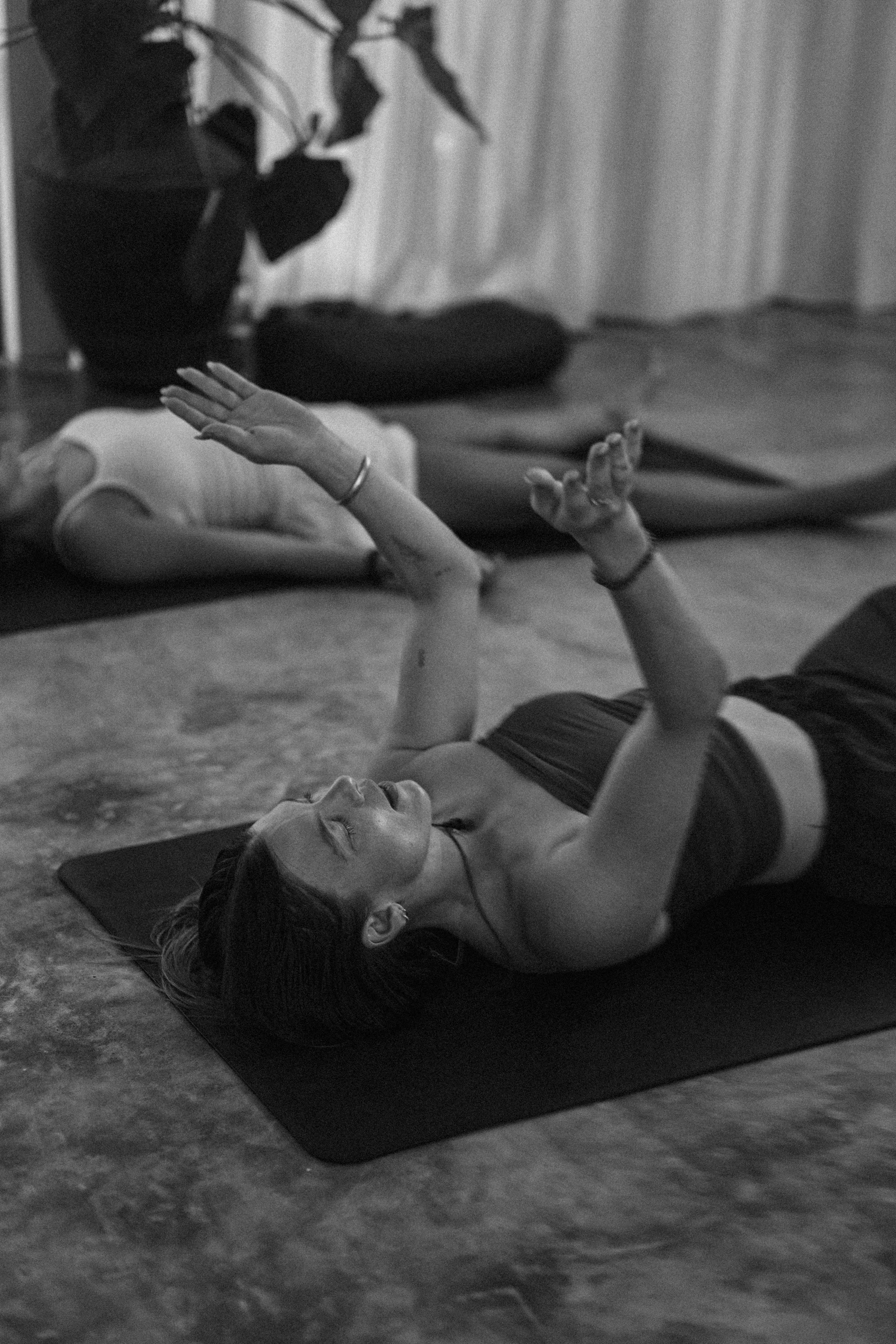
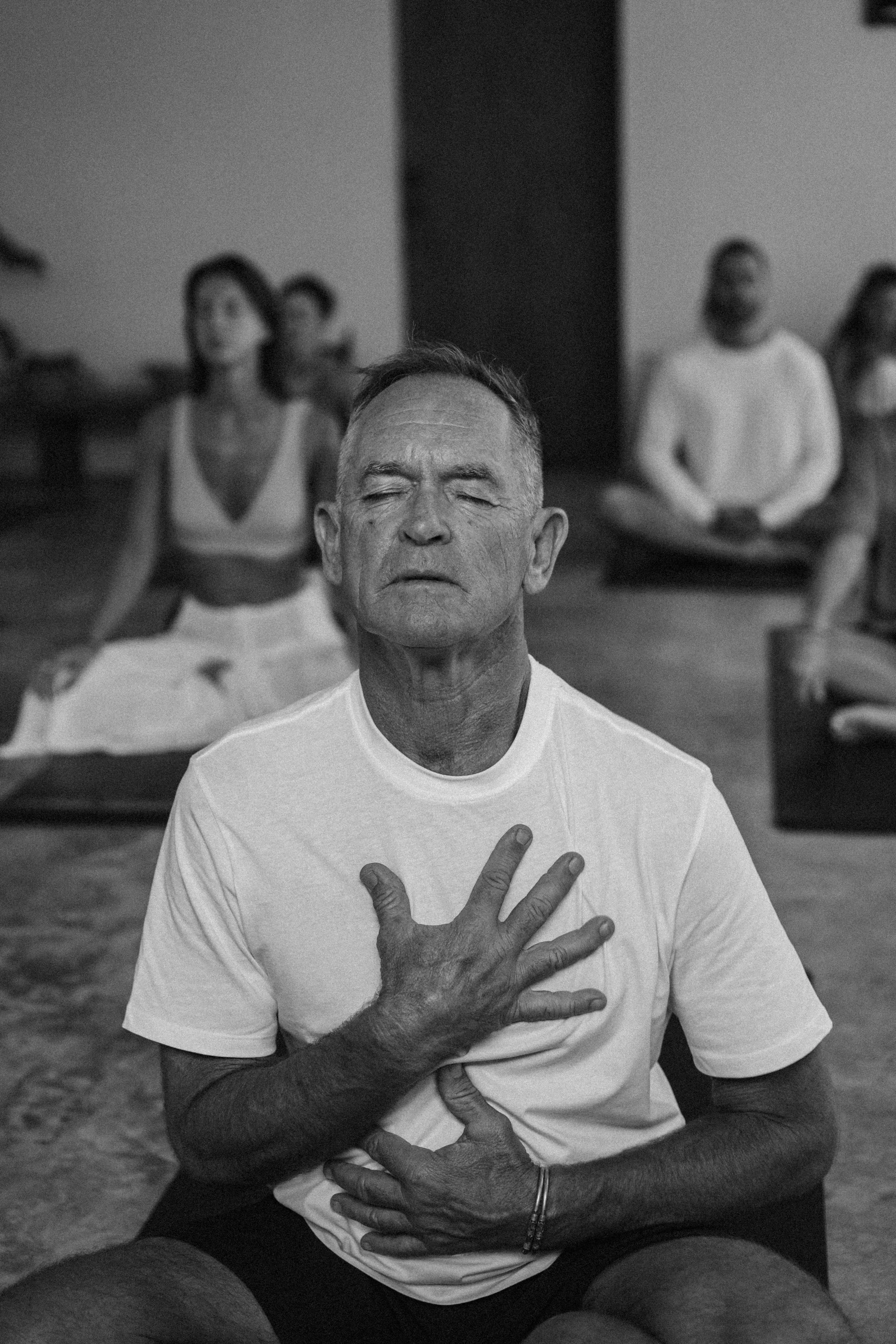
For five days, you are held inside a carefully guided healing experience designed to support emotional processing, nervous system regulation, somatic release, connection, and integration.
This is deeply held trauma-informed grief work grounded in the body, the nervous system, emotional release, community, and human connection.


Who These
Retreats Are For
These retreats are for individuals navigating:
• Loss of a partner, child, sibling, parent, or close friend
• Survivor guilt
• Emotional numbness
• Anxiety and hypervigilance after loss
• Grief stored in the body
• Fear, panic, and emotional overwhelm
• Depression connected to grief and trauma
• The feeling of carrying pain alone
• Life transitions following devastating loss
• The search for meaning after tragedy
• Deep emotional exhaustion
• Spiritual questioning after loss
• A longing to reconnect with life again
Many guests arrive feeling emotionally disconnected from themselves, physically depleted, overwhelmed by memories, or trapped inside cycles of grief they cannot move through alone.
Others arrive highly functional externally whilst internally carrying enormous pain.
Our retreats create space for the body and nervous system to begin processing what has been held for far too long.
Our Approach to Grief Healing
Grief impacts the entire human system.
It lives in the body, the nervous system, the breath, the mind, emotions, sleep patterns, relationships, energy levels, and sense of safety in the world.
At JAX, we work through an integrative healing approach combining:
• Somatic healing
• Nervous system regulation
• Breathwork
• Emotional release work
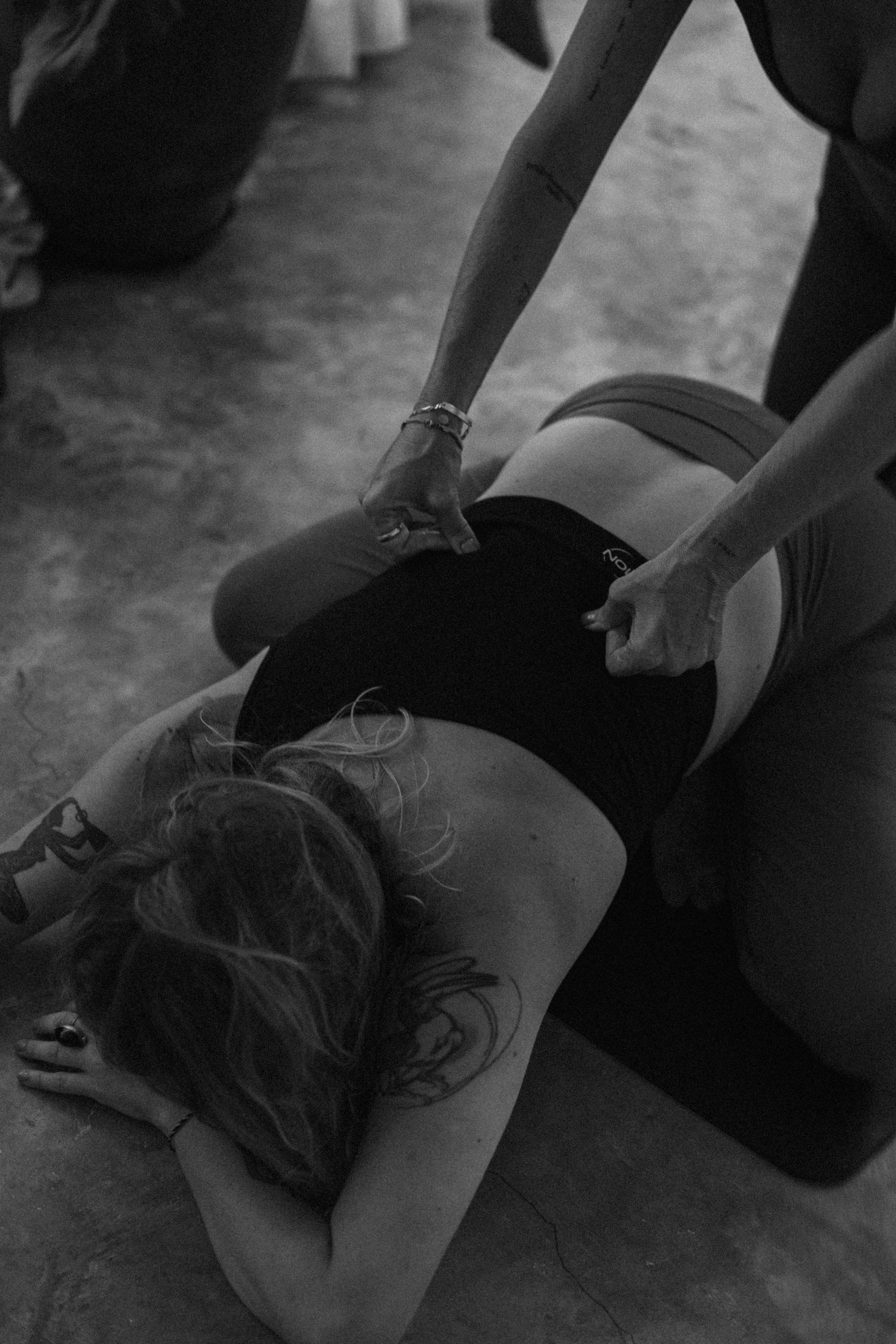
• Trauma-informed bodywork
• Energy healing
• Guided embodiment practices
• Group healing sessions
• Sound healing
• Meditation
• Journaling and reflection
• Community connection
• Rest and integration practices
Each day is carefully structured to support emotional processing whilst creating enough safety, grounding, support, nourishment, and integration throughout the experience.
Many people describe finally feeling understood for the first time in years.
Our Upcoming Retreats
-

JAX FIVE DAY RETREAT Grief and Suicide Loss
-
JAX FIVE DAY RETREAT Grief and Suicide Loss
-
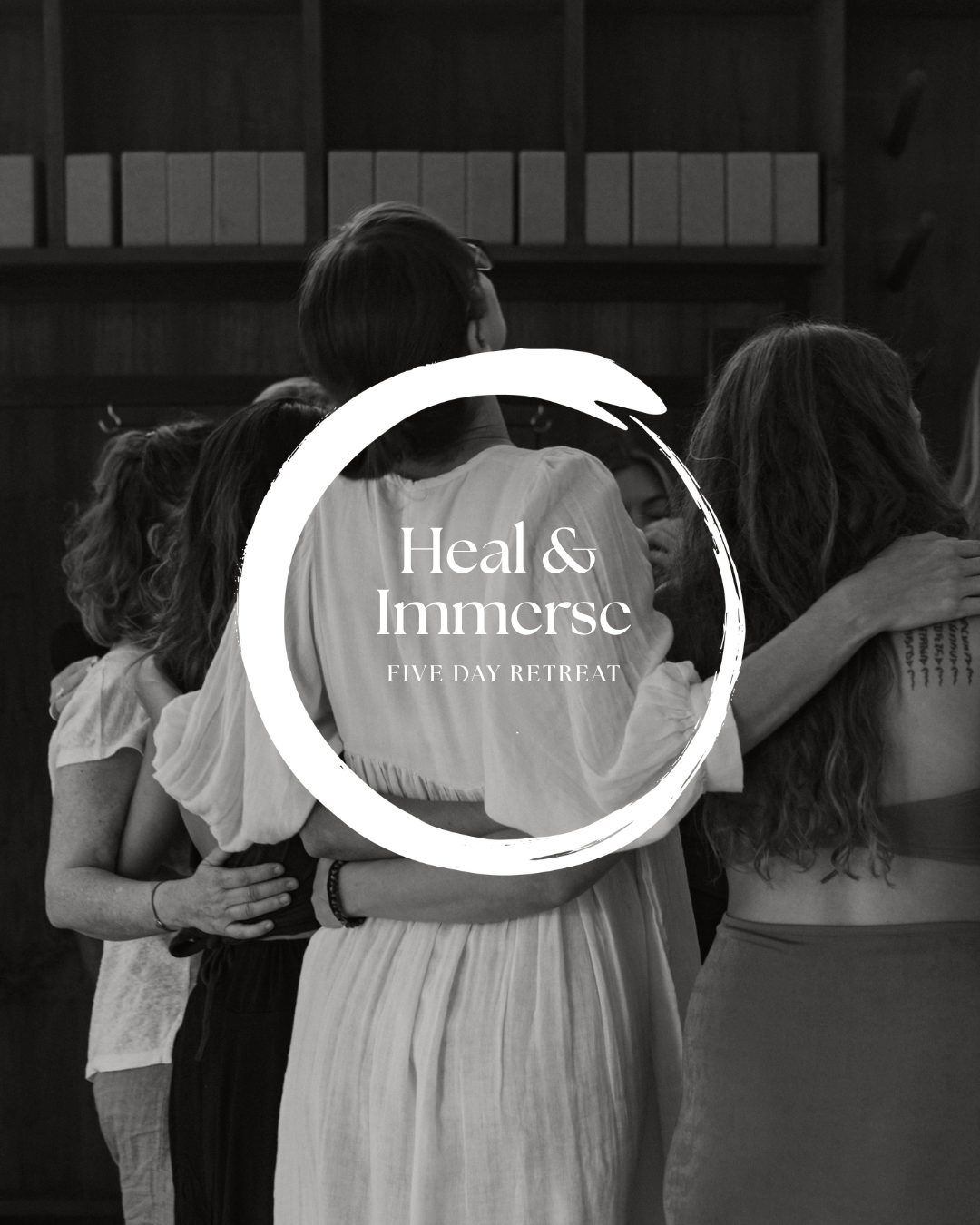
JAX FIVE DAY RETREAT Grief and Suicide Loss
Our five-day grief retreats follow the signature JAX healing structure with the schedule thoughtfully tailored toward grief processing, emotional release, trauma integration, and nervous system repair.
Over five days guests experience:
What Happens Across the Five Days
-
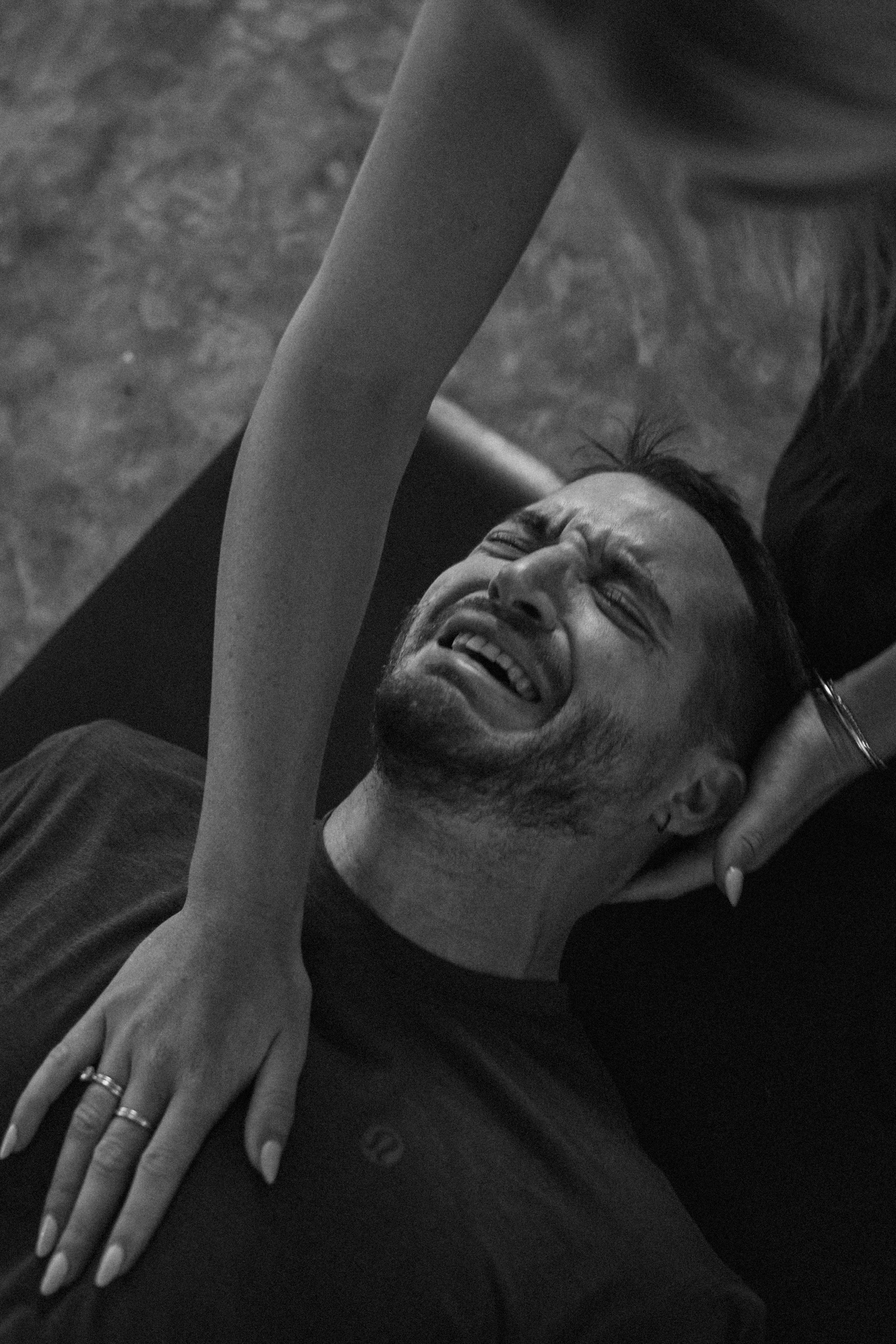
Each day includes guided somatic healing sessions designed to support the body through grief, emotional overwhelm, traumatic loss, and nervous system dysregulation. These sessions create space for suppressed emotion, survival stress, shock, sadness, anger, numbness, and exhaustion to safely move through the body rather than remain stored within it.
Through a blend of somatic practices, breathwork, body based healing, emotional processing, and energy work, participants are supported in reconnecting with themselves after loss. Many people navigating suicide grief speak about feeling disconnected from life, detached from their body, emotionally frozen, hypervigilant, or unable to fully process what has happened. These sessions are designed to gently meet those states with care, safety, and support.
The work focuses on helping the nervous system soften out of survival, creating space for grounding, emotional release, regulation, connection, and moments of peace within the body again.
-
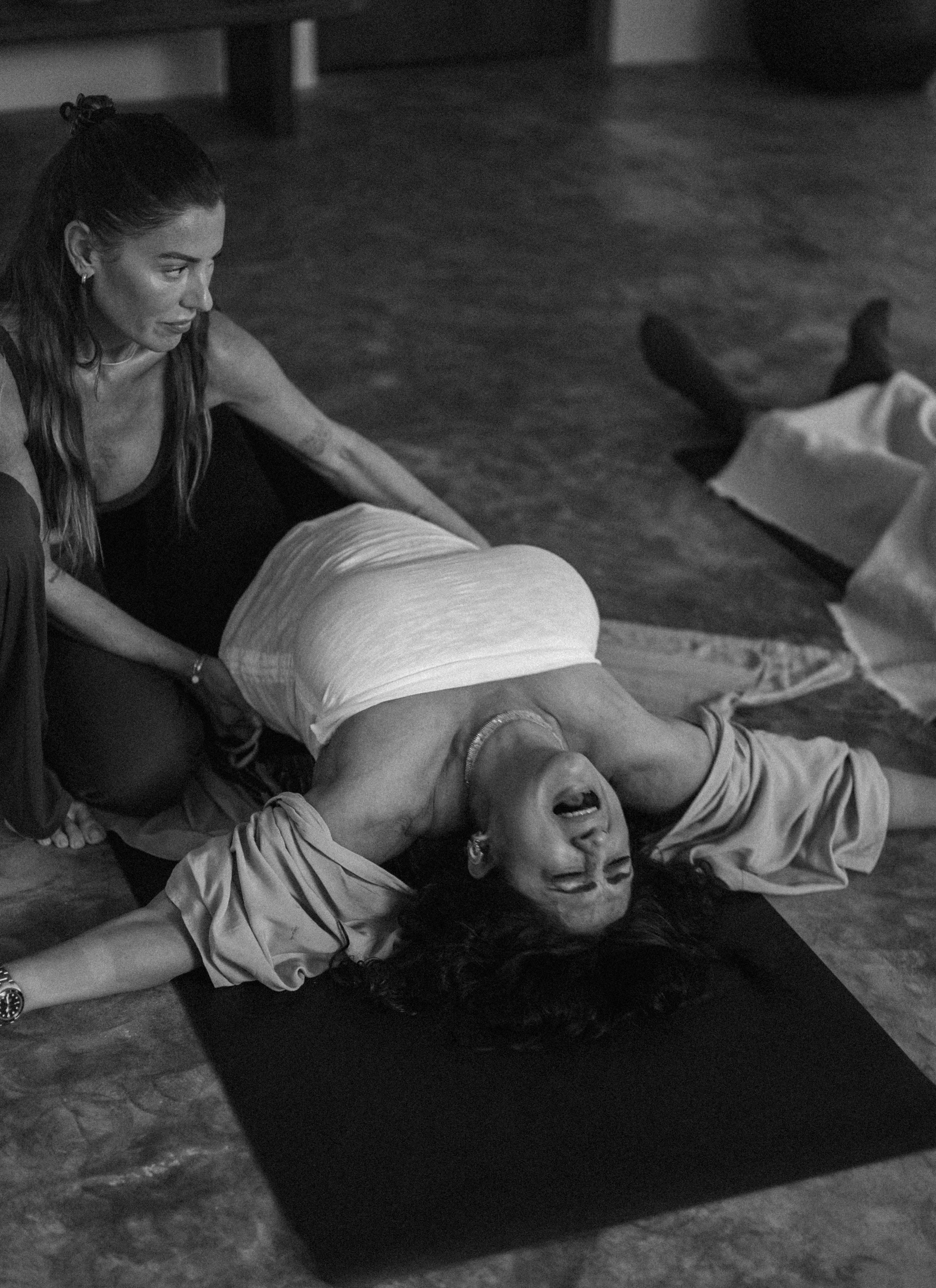
Guided breathwork and emotional processing sessions are woven throughout the retreat to support the release of grief, emotional suppression, survival stress, and unresolved pain held within the body. Grief, particularly after suicide loss, often leaves people carrying emotions that feel too overwhelming, confusing, or unsafe to fully process alone.
Using conscious breath, somatic awareness, guided emotional release practices, and nervous system led facilitation, these sessions help participants access and move emotions that may have been buried beneath shock, numbness, anxiety, guilt, anger, fear, or deep sadness.
The breath acts as a bridge between the mind and body, helping participants reconnect with themselves, soften protective armour within the nervous system, and create movement where emotional stagnation has taken hold. Many people describe these sessions as helping them feel lighter, clearer, more connected, and more able to sit with their grief without feeling consumed by it.
-
Grief and traumatic loss place enormous strain on the nervous system, often leaving the body stuck in survival states such as hypervigilance, anxiety, emotional shutdown, exhaustion, panic, dissociation, or chronic overwhelm. Throughout the retreat, participants are supported through trauma informed nervous system regulation practices designed to help the body feel safer, more grounded, and more resourced again.
Using somatic tools, guided regulation practices, breathwork, body awareness, rest, grounding exercises, movement, and therapeutic healing modalities, the retreat supports the nervous system in gradually softening out of chronic stress responses and emotional overload.
Rather than forcing healing or emotional release, the focus is on creating enough safety within the body for grief to move naturally and sustainably. Many participants navigating suicide loss have spent months or years feeling disconnected from themselves, unable to switch off, rest deeply, or feel present in their lives. This work helps restore connection to the body, improve emotional resilience, and create moments of calm, steadiness, and internal safety again.
-
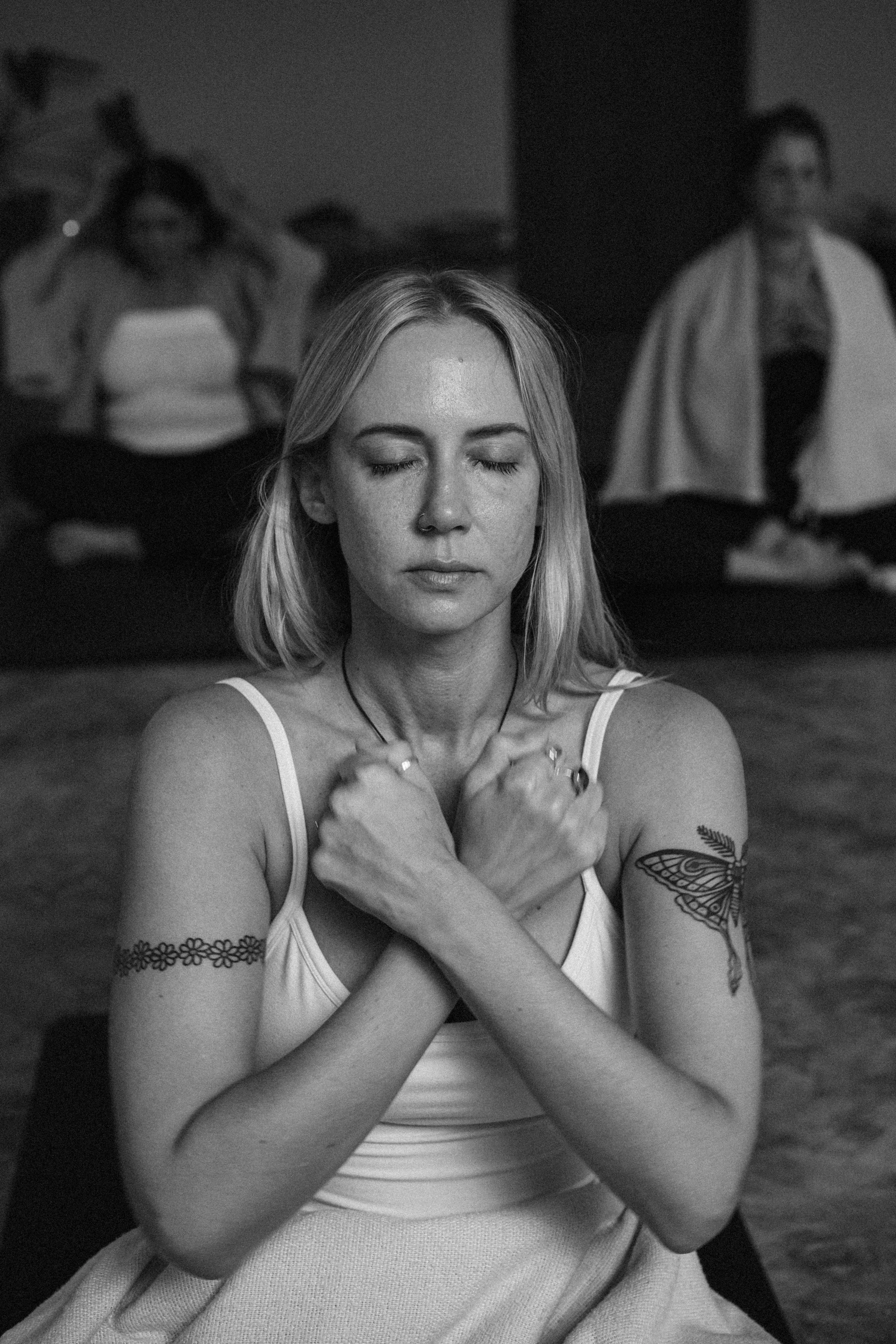
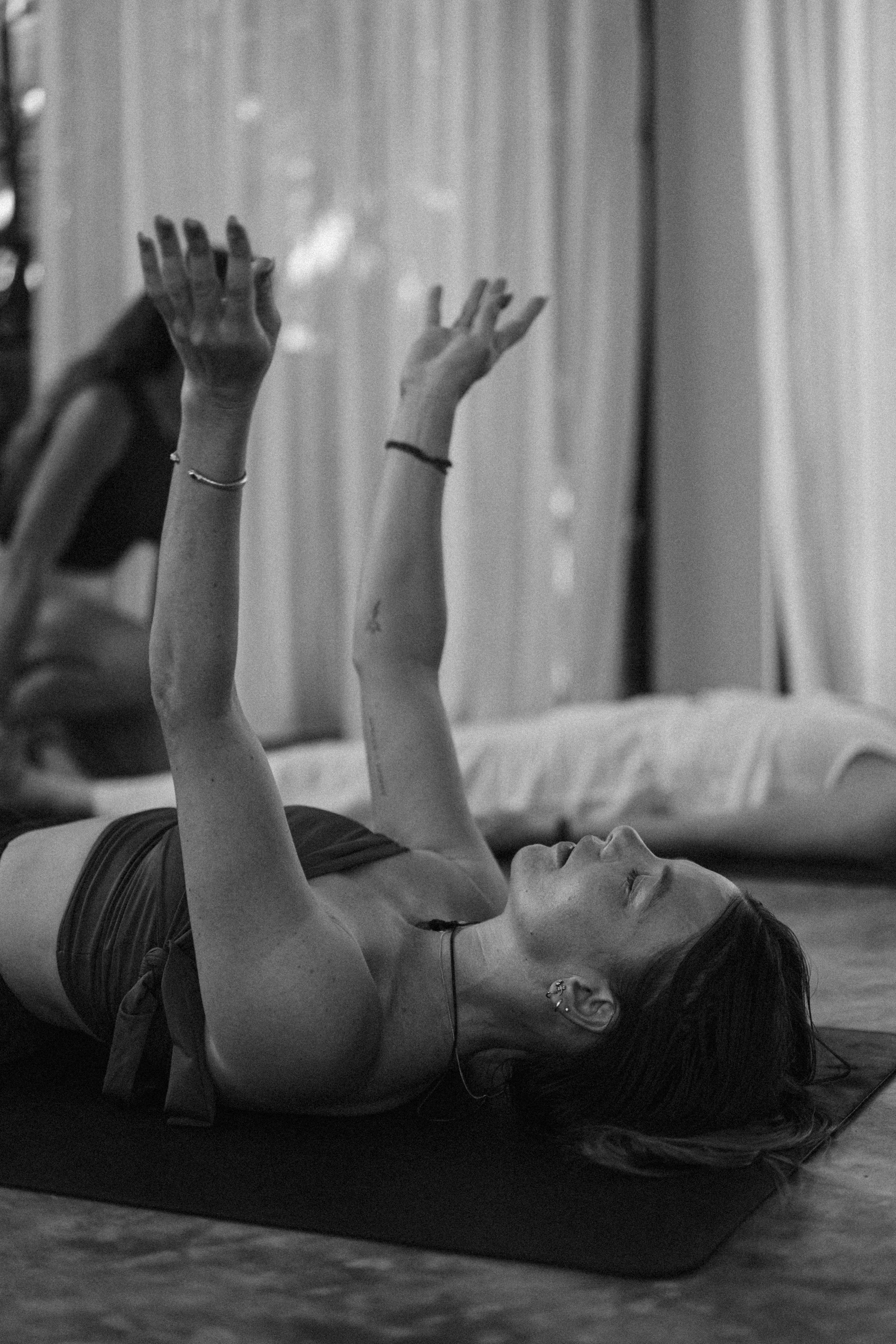
Throughout the retreat, participants are guided through energy healing and embodiment practices designed to support emotional integration, reconnection, and healing on both a physical and energetic level. Grief, trauma, and sudden loss can leave people feeling fragmented, disconnected from themselves, emotionally shut down, or deeply depleted. These sessions are designed to help restore a sense of connection, presence, and aliveness within the body again.
Using guided embodiment practices, somatic awareness, meditation, energy transmission, body based healing, sound, breath, and gentle movement, participants are supported in reconnecting with their body, emotions, intuition, and inner world in a grounded and safe way.
The work is deeply trauma informed and focused on creating space for participants to soften layers of tension, armour, emotional suppression, and energetic heaviness that may have built up through grief and survival. Many people describe these sessions as helping them feel more connected to themselves, more emotionally open, calmer within their nervous system, and able to access moments of peace, clarity, meaning, and connection again.
-
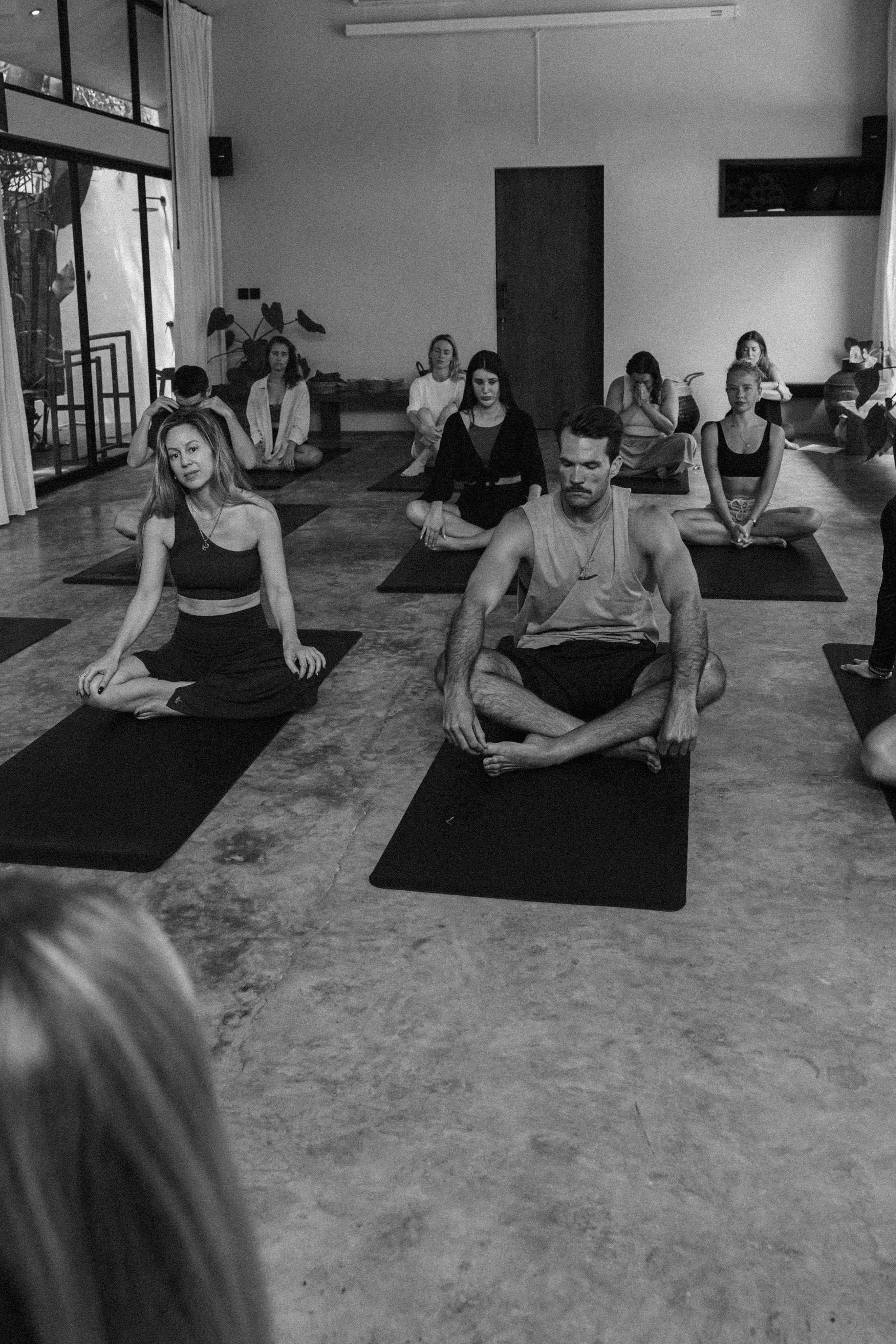
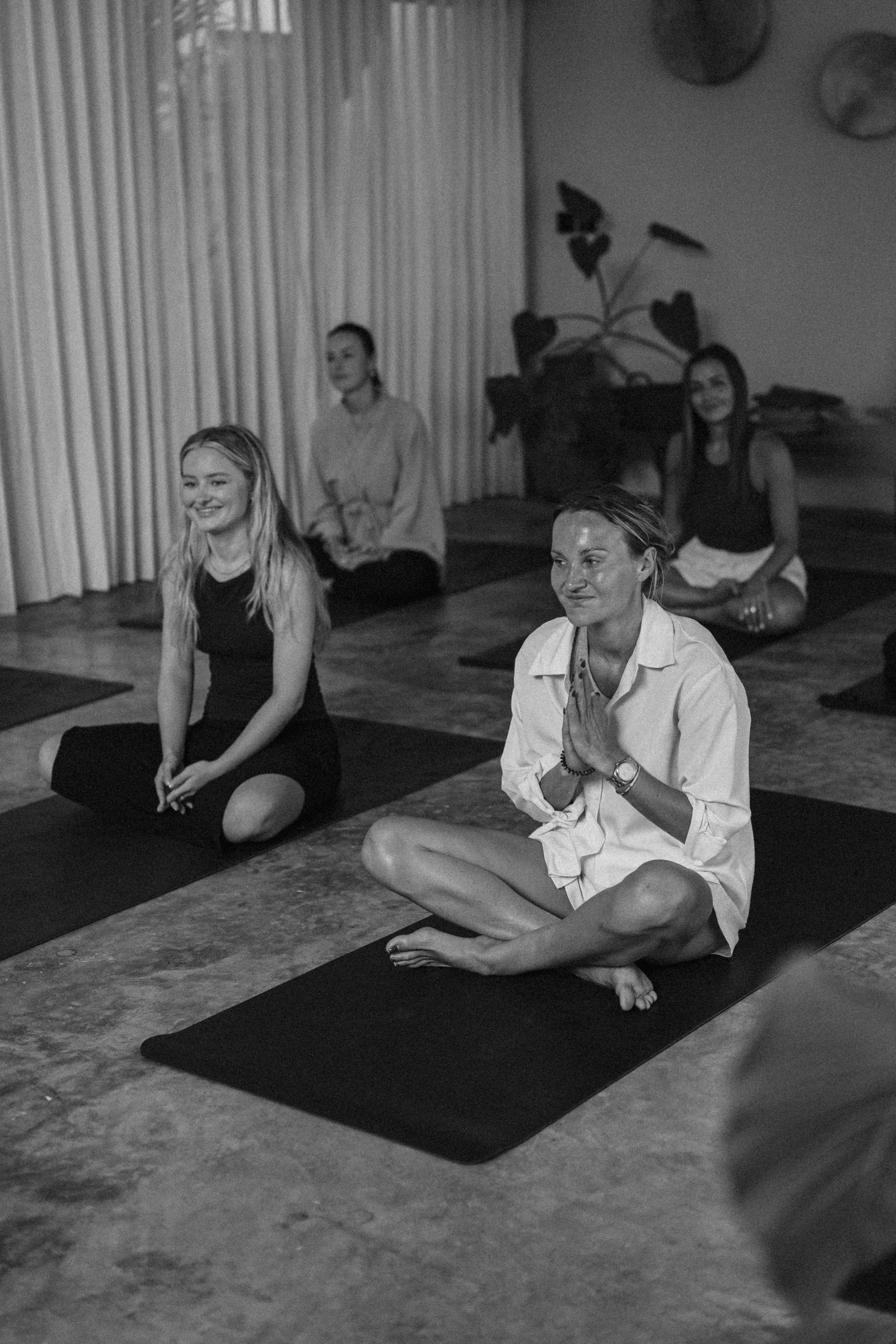
One of the most powerful parts of the retreat is the experience of being surrounded by people who understand grief, loss, and the complexity of rebuilding life after trauma. Suicide loss can feel incredibly isolating, with many people carrying emotions, thoughts, and experiences they struggle to speak about openly in everyday life.
Throughout the retreat, space is created for genuine human connection, shared understanding, vulnerability, and support within a carefully held environment. Through group discussions, shared healing experiences, long table meals, reflection practices, and time spent together throughout the retreat, participants often realise they are not alone in what they are carrying.
The group environment helps reduce shame, isolation, emotional suppression, and the feeling of having to hold everything alone. Many participants leave feeling deeply seen, understood, supported, and connected not only to others, but to themselves again.
-
Sound healing and integration sessions are woven throughout the retreat to support deep rest, emotional processing, nervous system regulation, and integration after somatic and emotional healing work. Grief and trauma can leave the mind overstimulated and the body carrying constant tension, emotional heaviness, and exhaustion. These sessions create space for the body to slow down, soften, and begin integrating what has been experienced throughout the retreat.
Using sound, frequency, guided meditation, grounding practices, and restorative healing techniques, participants are supported into states of deep relaxation where the body can process, settle, and recalibrate. The vibrations and sensory experience of sound healing can help quiet mental overwhelm, support emotional release, and create a greater sense of presence and connection within the body.
Integration is a central part of the retreat experience, helping participants gently process emotions, insights, memories, and shifts that may arise throughout the healing journey. Many people navigating grief and suicide loss spend long periods disconnected from rest, stillness, and inner calm. These sessions help create moments of peace, reflection, emotional softness, and nervous system
-
The retreat includes a guided cacao and fire release ceremony designed to support emotional expression, reflection, connection, and symbolic release. Grief often leaves people carrying unspoken words, unresolved emotions, guilt, anger, heartbreak, regret, fear, and deep emotional weight within the body. This ceremony creates space to honour those feelings in a safe and intentional way.
Participants are guided through a heart opening cacao ritual followed by reflective practices, emotional processing, journalling, meditation, and a fire release ceremony where emotions, thoughts, memories, or burdens can be consciously acknowledged and released.
Held under the evening sky in community, this ceremony often becomes a deeply meaningful part of the retreat experience. It offers a space to honour grief, acknowledge pain, reconnect with the heart, and create moments of acceptance, connection, peace, and emotional release within the healing journey.
-
The retreat includes a traditional Balinese purification ceremony held at JAX and guided by local Balinese practitioners, offering participants a deeply grounding and symbolic experience of cleansing, reflection, prayer, and renewal. In Balinese culture, purification ceremonies are used to support spiritual cleansing, emotional clearing, energetic balance, and reconnection to self, life, and the present moment.
For many people navigating grief and suicide loss, there can be a feeling of emotional heaviness, stuckness, disconnection, guilt, fear, or carrying the weight of the past within the body. This ceremony creates space to pause, honour the journey that has been walked, and gently step into a new chapter with intention and presence.
Held within the peaceful surroundings of JAX, participants are guided through blessings, water cleansing rituals, prayer, and moments of reflection within a deeply respectful and culturally honoured experience. Many participants describe the ceremony as emotional, grounding, peaceful, and deeply symbolic within their healing process.
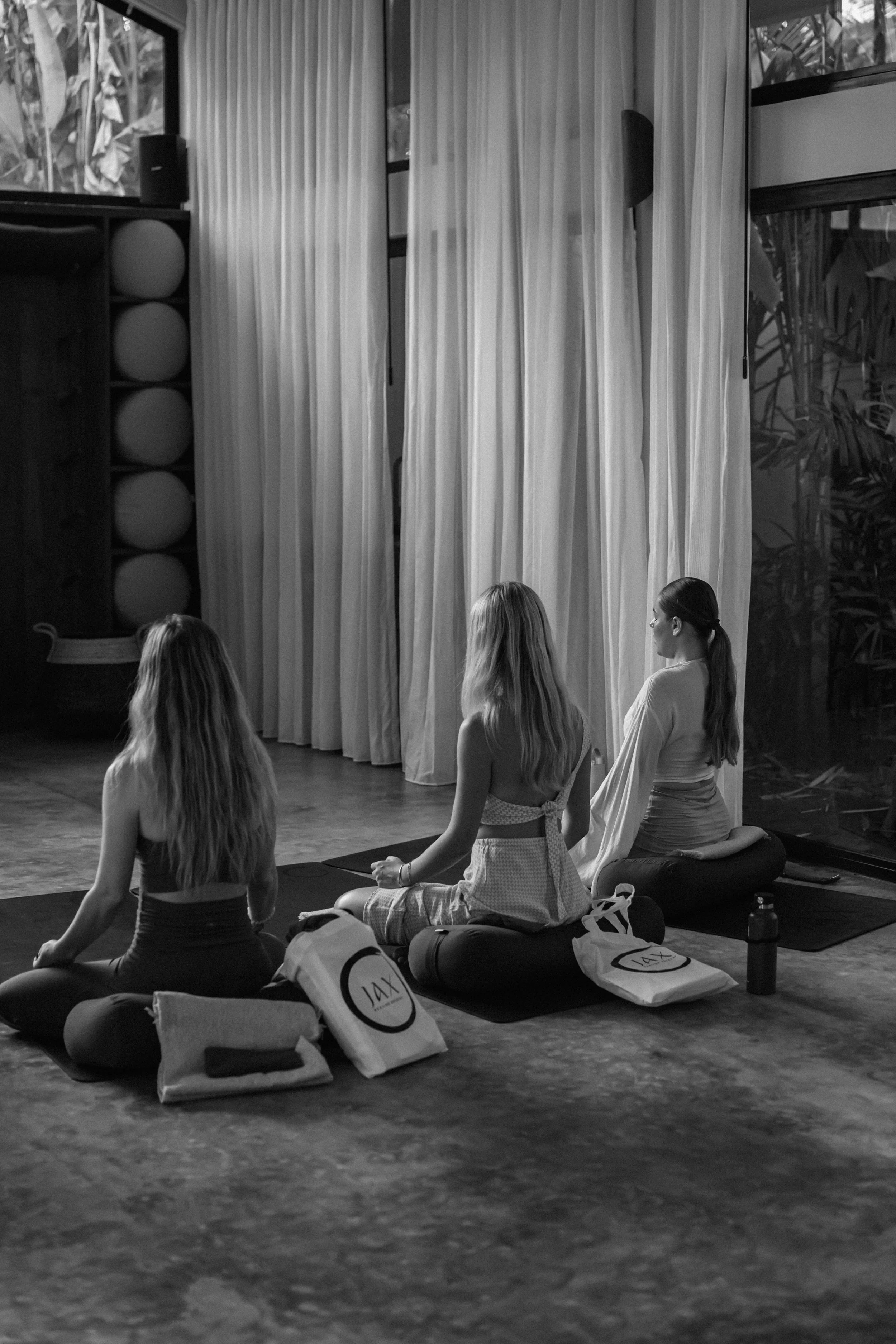
Our retreats take place in Bali within the JAX Healing Retreat space in Uluwatu.
Guests are supported through:
• Beautiful private accommodation
• Fresh nourishing meals prepared daily by local Balinese chefs
• Sauna and ice bath facilities
• Massage and holistic therapies
• Pool and communal spaces
• Quiet integration areas
• Daily support from facilitators and staff
• Carefully guided retreat structure from morning until evening
Everything within the retreat environment is intentionally designed to support regulation, emotional safety, rest, healing, and connection.
A Space Designed for Deep Healing
Grief can feel incredibly isolating.
Many people carrying suicide loss describe feeling misunderstood by friends, disconnected from their old life, emotionally exhausted from masking pain, or unable to fully express what they are carrying.
There is something profoundly healing about sitting beside people who understand the landscape of loss firsthand.
People who understand anniversaries, triggers, guilt, fear, numbness, longing, anger, love, confusion, and the complexity of grieving someone deeply.
Within these retreats, connection often becomes part of the healing itself.
Why Community Matters in Grief

JAX was built from lived experience.
Our work is rooted in understanding grief not only professionally, but personally.
We understand the complexity of traumatic loss, the impact it has on the nervous system and body, and the long road many people walk trying to find themselves again afterwards.
These retreats are held with deep care, grounded facilitation, trauma informed practices, and genuine understanding for the realities of grief and suicide loss.
Held by Lived Experience
Begin Your Healing Journey
Grief changes people.
Healing can change people too.
If you feel called toward deeper emotional healing, connection, nervous system repair, and a space where your grief can finally be held with understanding and care, we welcome you to apply.